
Osteopathy
Osteopathy is a hands-on healthcare profession that focuses on the diagnosis, treatment, and management of musculoskeletal conditions.
Osteopaths understand how the body’s muscles, joints, ligaments, nerves, and connective tissues work together, and how dysfunction in one area can influence movement and overall wellbeing. (might delete this)
Osteopathic treatment takes a holistic approach, considering not only your symptoms but also the factors that may be contributing to them, such as your work, exercise, sleep, stress, posture, and daily activities. Every treatment plan is tailored to your individual needs and goals.
Your osteopath will begin with a thorough assessment to understand the cause of your symptoms before developing a personalised management plan. Treatment may include hands-on manual therapy, joint mobilisation, soft tissue techniques, dry needling, cupping, and high-velocity low-amplitude (HVLA) manipulation (“cracking”), where clinically appropriate.
In addition to hands-on treatment, osteopaths place a strong emphasis on education and self-management. This may include advice on exercise, posture, movement, and lifestyle modifications to help reduce pain, improve function, and support your long-term health.
What to Expect During Your Appointment
1. Case History
Your appointment begins with a discussion about your current complaint, including how it started, what makes it better or worse, and how it is affecting your daily life. Your osteopath will also ask about your medical history, previous injuries, general health, and lifestyle to gain a thorough understanding of your overall health.
2. Assessment
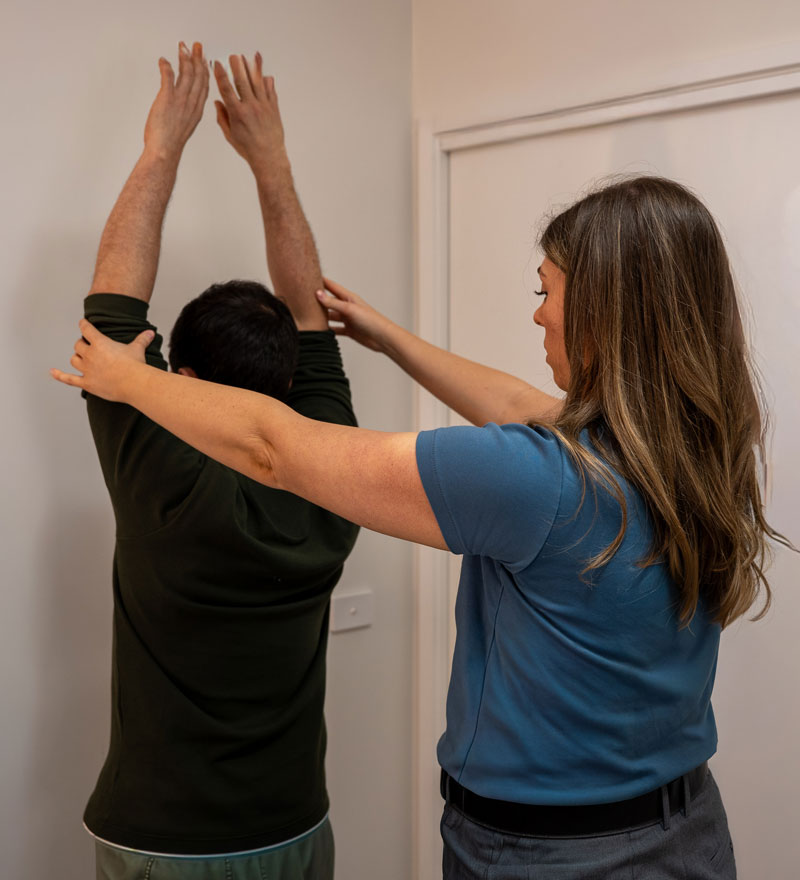
A physical assessment is then performed to help identify the tissues contributing to your symptoms and determine the underlying cause of your pain. This may involve assessing your posture, movement, strength, and range of motion. Depending on the area being examined, you may be asked to wear suitable clothing or partially undress to allow for an accurate assessment. Your privacy, comfort, and consent will always be respected.
3. Treatment
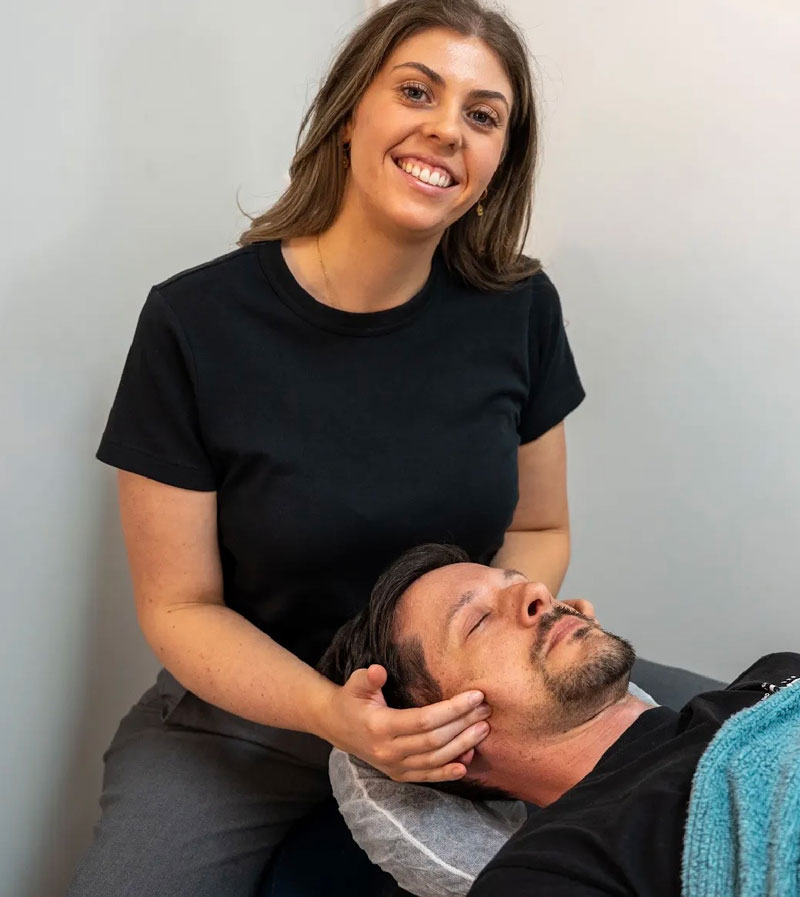
Based on the findings of your assessment, your osteopath will provide treatment tailored to your individual needs. This may include hands-on manual therapy, soft tissue techniques, joint mobilisation, dry needling, cupping, or high-velocity low-amplitude (HVLA) manipulation (“cracking”), where clinically appropriate. Your osteopath will explain each technique and obtain your verbal consent before performing any treatment.
4. Management Plan
Before you leave, your osteopath will discuss a personalised management plan designed to support your recovery and help prevent future issues. This may include specific exercise rehabilitation, advice on sleep, stress management, ergonomics, and lifestyle modifications, as well as practical strategies to help you move with confidence.
Take the next step towards supporting better movement, comfort and wellbeing
Book your Osteopathy appointment today at our Ringwood clinic